Free shipping in NL, BE and DE – worldwide delivery

BAMBOO BEDDING
Sustainable luxury you can actually feel
Bamboo bedding is more than a fabric swap. The fibre is naturally breathable and temperature-regulating, so it holds warmth when you need it and moves moisture away when you don't. The result is a bed that stays comfortable through the night instead of one you keep kicking off and pulling back on.
It feels silky rather than crisp, which is why people who find cotton a little rough usually notice the difference within a night or two. Because the surface is smooth, it is also naturally hypoallergenic and gentle on skin and hair. And bamboo grows fast on very little water, so the environmental case stacks up too.

Breathable and temperature-regulating
Bamboo fibres are hollow, which lets air move through the weave and lets moisture escape before it turns clammy. In summer that means you stay cool without a fan running all night; in winter the same fibre traps a layer of warm air and keeps it there. If you tend to overheat, our page on temperature-regulating bamboo bedding goes into the detail, and if you wake up damp there is a separate piece on what to do about night sweats.
Soft against your skin
Our bedding is woven at 400 thread count in a satin weave, which gives it a smooth, cool-to-the-touch surface without any coating or finish. That smoothness is also why it is kind to skin and hair — it is a favourite among people following the Curly Girl method. Read more about what 400 thread count actually means for how a sheet feels.
Hypoallergenic and gentle
A smooth fibre gives dust mites and bacteria less to hold on to, and it wicks moisture quickly so the fabric dries between nights. That combination makes bamboo a sensible choice for allergy sufferers and for anyone with reactive skin. There is more on this on our page about hypoallergenic bamboo bedding and about bedding for sensitive skin.
Grown with a light footprint
Bamboo reaches full height in a few years, regrows from its own root system after cutting and needs no pesticides and very little irrigation. All our bedding is made from 100% organic bamboo and carries OEKO-TEX® Standard 100, ECOCERT and Organic 100 certification, so the claim is checked rather than asserted.
OUR RANGE
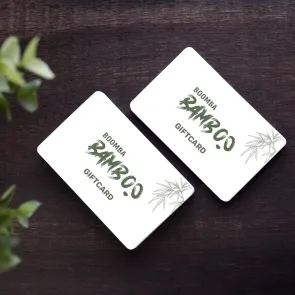
Not sure which size you need? The bedding size guide lists UK and US sizes side by side with the centimetres we use, and there are dedicated pages for single beds and double beds. Buying for someone else? A gift card lets them pick their own colour.

Bamboo compared with cotton
Cotton is the default, not the benchmark. Bamboo is smoother against the skin, moves moisture faster and regulates temperature better, and it does all that on a fraction of the water cotton needs. We set the two out honestly, including where cotton still wins, on bamboo vs cotton bedding and in our article on the difference between bamboo and cotton.
Choosing a colour
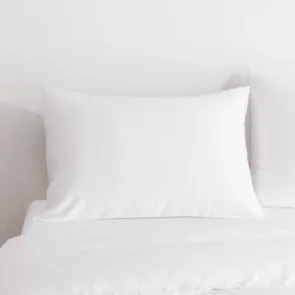
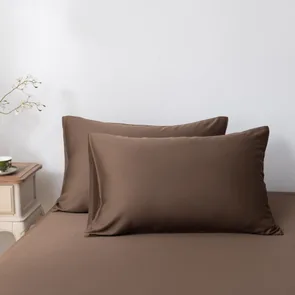
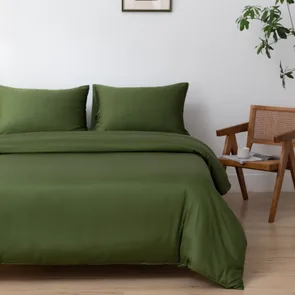
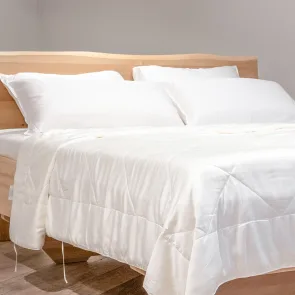
Nine shades, all in the same 400 thread count fabric. Coco White is the timeless one and makes a room feel larger. Soft Taupe and Coffee Brown bring warmth, Cuddle Pink and Lavender Mist soften a space, and Sage Green and Deep Moss pull the outdoors in. For something cooler, look at Sky Blue or Space Blue. See all of them on the colours page.
Frequently asked questions
Bamboo bedding feels smooth and cool, carries moisture away from your skin quickly and stays soft wash after wash. The fibre is smooth and closed, which means less friction on skin and hair and less for dust mites to settle into. Our bedding is 100% organic bamboo viscose in a 400 TC sateen weave, certified by OEKO-TEX Standard 100, ECOCERT and Organic 100.
Bamboo is one of the more sustainable raw materials for bedding. It grows fast, regrows from its own roots after harvesting and needs far less water than cotton. Our bamboo is grown organically, without pesticides or chemical fertilisers, which ECOCERT checks independently. Turning bamboo into fabric is a chemical process, which is why our certifications cover both the growing and the finished fabric.
Wash bamboo bedding at 30°C on a delicate cycle with a mild liquid detergent, and leave out fabric softener and bleach. A higher temperature is not needed: washing weekly at 30°C keeps it fresh and is kinder to the fibre. Line-drying is best and costs no energy, but a tumble dryer on a low setting is fine too. More tips are in our guide to keeping bamboo bedding fresh.
We make bedding from one material only: 100% organic bamboo viscose, with no cotton or polyester blended in. The fabric has a 400 TC sateen weave, which gives it a smooth feel and a soft sheen. All our bedding carries OEKO-TEX Standard 100, ECOCERT and Organic 100 certification, and most items come in nine colours.
Bamboo feels smoother and cooler to the touch than cotton, with a soft sheen and a fluid drape. Cotton fibre is slightly hairy and open, while bamboo viscose is smooth and closed, so there is less friction against your skin and hair. Many people compare the feel to silk, although bamboo is much easier to wash.
Fabric softener leaves a coating on the fibres that stops them absorbing moisture, and handling moisture is exactly what makes bamboo comfortable to sleep under. Bamboo is soft on its own, so you are not missing anything. A mild liquid detergent is all you need.
Yes, on a low heat setting. Line-drying is still the best option, because bamboo dries quickly, it is gentler on the fibre and it costs no energy. If you use the dryer, take the bedding out while it is still slightly damp and smooth it out to limit creasing. Avoid a hot setting, as high heat can make the fabric shrink.
In how it is grown, yes. Bamboo grows fast, regrows from its own roots without replanting and needs far less water than cotton, and our bamboo is grown organically without pesticides. Conventional cotton is often grown with heavy irrigation and pesticides. Turning bamboo into viscose does involve chemical processing, which is why we have the fabric certified by ECOCERT and tested under OEKO-TEX Standard 100.
For most people, yes. Bamboo viscose wicks moisture away from the skin roughly three times faster than cotton and feels cool to the touch, so warm sleepers stay drier. It does not cool the room, but you are less likely to wake up clammy.
Bamboo is a good choice if you have a dust-mite allergy or sensitive skin. Its smooth, closed fibre gives dust mites less to settle into than the more open cotton fibre and causes less friction against the skin. Our bamboo bedding is also tested for harmful substances under OEKO-TEX Standard 100. Washing your bedding every week matters just as much as the fabric you choose.