Free shipping in NL, BE and DE – worldwide delivery

Night Sweats and Perimenopause: What Bedding Actually Helps
For many women between 42 and 55, this slips into the bedroom unannounced. An honest look at what helps and what doesn't.
Roughly three in four women going through the menopause transition experience hot flushes, and for around half of them they happen at night. The average duration is typically around four years, with peak intensity in late perimenopause — figures consistent across menopause research.
There's plenty of marketing around this. Here's what the research and experience actually point to. (For night sweats not specifically linked to menopause, see night sweats: what to do about them.)
What makes night sweats worse
Synthetic nightwear. Polyester or microfibre sheets. A heavy duvet kept in past May. Anything that doesn't breathe traps moisture against the skin, which means the clammy phase after a hot flush lasts longer — sometimes by several minutes.
A glass of wine close to bedtime, a spicy meal after eight, and a bedroom above 19°C are the three factors most women recognise once they start paying attention.
What genuinely makes them more bearable
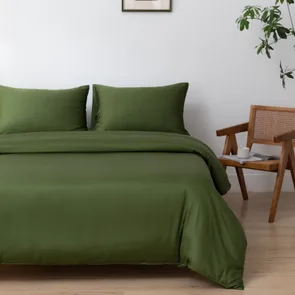
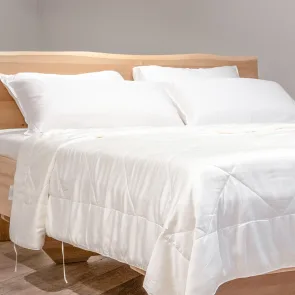
A bedroom between 16 and 18°C. (Our deeper piece on bamboo bedding relief during menopause covers the bedding logic in more detail.) A summer-weight duvet from May through September, even if the occasional 3am chill follows. And natural fibres with high moisture transfer — soothing shades like Lavender Mist or Coco White pair well with a calmer bedroom — linen and bamboo are the standouts here. Neither eliminates the flush itself, but both shorten how long you spend lying in a damp patch afterwards.
The pillowcase is doing more than you think
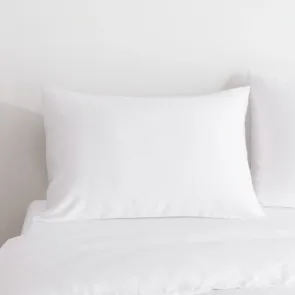
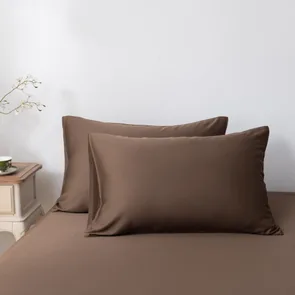
The head produces the most sweat during a flush. A pillowcase made from dense cotton holds that moisture for hours, which is why women often wake up two or three times on a wet patch. A bamboo or open-weave cotton pillowcase dries during the rest of the night. Wash at 30°C, change every four to five days, done.
What the evidence says about supplements
Sage, black cohosh, red clover. There are studies, but the effects are small and inconsistent. Current NHS guidance still places hormone replacement therapy as the most effective treatment for moderate to severe symptoms. Worth a conversation with your GP rather than self-experimenting.
What hot flushes actually are
A temporary glitch in the hypothalamus, the part of the brain that regulates body temperature. You can't will them away. What you can change is the environment they land in: room temperature, what you sleep in, and most of all the fabric your skin is touching at three in the morning. That last one is where bedding earns its keep.
OUR CATEGORIES


ANOTHER TALE BEFORE BEDTIME