Free shipping in NL, BE and DE – worldwide delivery

Discomfort from overheating during sleep
Waking up too warm isn't a personality trait — it's a sign something in your sleep environment isn't working. Here's what to change.
If you wake up hot most nights — sweaty, restless, kicking off the duvet — your sleep is paying a hidden cost. An overheated body fights for cooling instead of resting, and that fight quietly disrupts every stage of sleep. The damage isn't just feeling tired the next day. It can include headaches, reduced concentration, and even contribute to conditions like sleep apnoea. The good news: most overheating during sleep is fixable.
- What happens when you overheat
- Common causes
- Warning signs to watch for
- Fixing the bedroom
- Fixing the bedding
- When to talk to a doctor
What happens when you overheat
When your body temperature rises during sleep, several things happen at once. Your nervous system shifts into cooling mode — sweat production increases, breathing patterns change, your sleep gets lighter. You may not fully wake up, but the deep sleep stages are interrupted. Over many nights, this shows up as morning fatigue, low energy, and reduced ability to concentrate.
Common causes
- Bedroom too warm — most common, easiest to fix
- Wrong-weight duvet for the season
- Synthetic bedding that traps heat and moisture
- Eating heavy or spicy food close to bedtime — increases metabolic heat
- Alcohol in the evening — disrupts thermoregulation, often makes night sweats worse
- Hormonal factors — particularly during menopause (see our menopause guide)
- Medication side effects — some antidepressants and blood pressure medications increase heat
Warning signs to watch for
- Waking up multiple times per night to throw off the duvet
- Damp pillow or sheets in the morning
- Headaches on waking, particularly in summer
- Feeling unrested even after 8 hours
- Increased thirst at 3–4am
One or two of these occasionally is normal. All five regularly = something in your sleep setup needs to change.
Fixing the bedroom
- Aim for 16–19°C — see our temperature guide
- Block sun during the day with blinds and curtains
- Improve airflow — open windows, use a fan strategically, especially at night
- Skip electric blankets in summer — even on low
Fixing the bedding
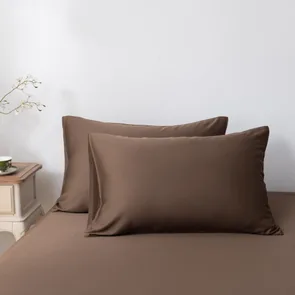
Switch to bamboo bedding. The temperature regulation, moisture-wicking, and breathability address overheating directly. Pair with a season-appropriate duvet — see winter vs summer duvets. The change in how you wake up is often noticeable within a week.
When to talk to a doctor
If overheating persists after you've fixed the bedroom and bedding, talk to your GP. Persistent night sweats can be a sign of underlying conditions — thyroid issues, menopause, sleep apnoea, infections, or medication side effects. Don't ignore it. Most causes are easily treatable, but only if you bring them up.
OUR CATEGORIES





ANOTHER TALE BEFORE BEDTIME