Free shipping in NL, BE and DE – worldwide delivery

Avoid the autumn slump: combat fatigue with these tips
Why autumn drains energy more than people realise — and the small changes to sleep, light, and bedding that fight back.
Mid-October hits, and suddenly mornings are dark, evenings are darker, and the energy that carried you through summer evaporates. The autumn slump isn't laziness — it's a biological response to changing daylight, temperature, and sleep patterns. The good news: with a few deliberate changes, autumn can be one of the most restorative times of year instead of one of the most draining.
- Why autumn makes you tired
- Get enough daylight
- Reset your sleep
- Move every day
- Update your bedroom
- Watch the mood, not just the energy
Why autumn makes you tired
Two things shift simultaneously. First, daylight drops dramatically — by mid-October most of Northern Europe loses 4+ minutes of daylight per day. Less light means less serotonin production during the day, which means less melatonin at night, which means worse sleep AND lower mood. Second, the colder, wetter weather pushes you indoors, which means even less daylight exposure. The combination is what creates the slump.
Get enough daylight
The single most powerful autumn intervention. Aim for 20+ minutes of outdoor light early in the day — even cloudy days work, because outdoor light is much brighter than indoor lighting. A morning walk to the bakery counts. Eating breakfast by a south-facing window helps. The earlier the better — your body clock is calibrated by morning light.
If you can't get outside in the morning (winter office hours, working from home in dark rooms), a SAD lamp is genuinely useful. Twenty minutes of bright-light therapy daily makes a real difference for many people.
Reset your sleep
Autumn is when summer's late nights catch up with you. Get back to a consistent sleep schedule — same bedtime, same wake time, both weekdays and weekends. Aim for 7–9 hours. Don't try to make up lost sleep with weekend lie-ins; they make Mondays worse.
For more on autumn sleep specifically, see the indoor season begins again.
Move every day
The instinct in autumn is to hibernate. The biology says the opposite — daily movement combats the seasonal energy drop more effectively than caffeine or sugar. It doesn't have to be intense. A 30-minute walk after lunch boosts afternoon energy and improves sleep that night. Combine with daylight exposure (point #1) and you've fixed two things at once.
Update your bedroom
Summer-weight bedding starts feeling thin by October. Switching to a slightly warmer setup helps you stay asleep through cooler nights:
- A heavier winter-weight duvet — bamboo retains warmth without overheating
- An extra blanket folded at the foot of the bed
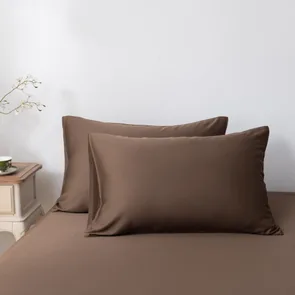
- Slightly warmer-toned colours — see Coffee Brown or Soft Taupe for autumn warmth
- A thicker rug, heavier curtains
The bedroom should feel like a place you actually want to be — that matters even more in autumn when daylight is short.
Watch the mood, not just the energy
If autumn brings persistent low mood, irritability, or social withdrawal — not just tiredness — talk to your GP. Seasonal Affective Disorder (SAD) is real and treatable. Light therapy, vitamin D supplementation, and sometimes therapy or medication help significantly. You don't have to muscle through it.
Autumn done well is one of the cosier seasons of the year. The slump is avoidable — it just takes a few deliberate moves.
OUR CATEGORIES





ANOTHER TALE BEFORE BEDTIME