
Heat and sleep: a complicated duo
Experience the magic of warm summer nights. Discover how to conquer the heat and fully enjoy nocturnal adventures. Tips and ideas to get through the warm summer nights.
Glowing feet, wet hair, sweaty armpits, sheets over you or sheets off. You keep tossing and turning until you've found the perfect way to get through the night in the most comfortable way. Sleeping during a tropical summer night is a nightmare for many people. A heatwave disrupts your sleep routine. How do you ensure that you make the most of your precious sleep during the summer?
- Sleep is good for you
- A Good Sleep Routine
- The influence of a warm night on your sleep routine
- The heat effect: sleeping in a warm environment
- What to do about sleep problems?
Sleep is good for you
Unfortunately, many people suffer from sleep problems. Over 49% of the Dutch population tosses and turns at night or watches the clock tick forward. A problem that is bigger than it seems at first glance. A good night's sleep is essential to get through the next day. It is healthy for both body and mind. When you don't get enough sleep, it leads to exhaustion, a short fuse, and mental fatigue. This, in turn, leads to experiencing stress earlier and more frequently. Stress, in turn, is a cause of other physical problems, such as a cold sore, cardiovascular diseases, obesity, diabetes, infections, and high blood pressure.
The amount of sleep a person needs varies. On average, adults need between seven and nine hours of sleep. As we age, we sleep less soundly, REM sleep decreases, and eventually, we lose that deep sleep altogether. This means we start sleeping more superficially. It also seems more challenging to change our sleep-wake cycle, leading to various sleep problems.
A Good Sleep Routine
During your journey through dreamland, your body undergoes various recovery processes. Cell damage is repaired, the body is cleaned up, and a lot of information is processed. So, it's essential to get enough sleep.
If you meet the following criteria, you have a good sleep routine:
- You spend at least 85% of the time in bed sleeping.
- You fall asleep within 30 minutes.
- You hardly wake up at night.
- When your sleep is disturbed, you are not awake for more than 20 minutes.
The influence of a warm night on your sleep routine
For many people, a temperature between 16 and 21 degrees is an ideal sleeping temperature. Many people sleep best in these temperatures, but the temperatures rise significantly in the summer months. Your bedroom warms up, making it challenging to cool down.
During a heatwave, the body itself regulates the temperature to some extent. When your bedroom is very warm, your body experiences stress from it. This is because your body goes into conservation mode to allow the most important and vital functions to function as well as possible. Everything that consumes energy is put on hold. This stems from evolution: when it's dark, it's harder to find food, so it's smart to lower the body temperature to minimize energy consumption. The effect of a heatwave: when the temperature at night is too high, the body still thinks it's daytime, making it difficult to fall asleep.
The heat effect: sleeping in a warm environment
Sleeping in a warm environment causes sleep problems, which can lead to serious mental problems in the long run. When you sleep less and less deeply, your concentration decreases.
With little sleep, emotions run high. It also reduces productivity, and you become easily distracted. Symptoms such as headaches, a drowsy feeling, irritability, bags under your eyes, lethargy, memory problems, and mood swings also occur. A serious problem to address if you experience these symptoms.
What to do about sleep problems?
Not being able to sleep is quite frustrating. How do you sleep well during a heatwave? We give you some tips:
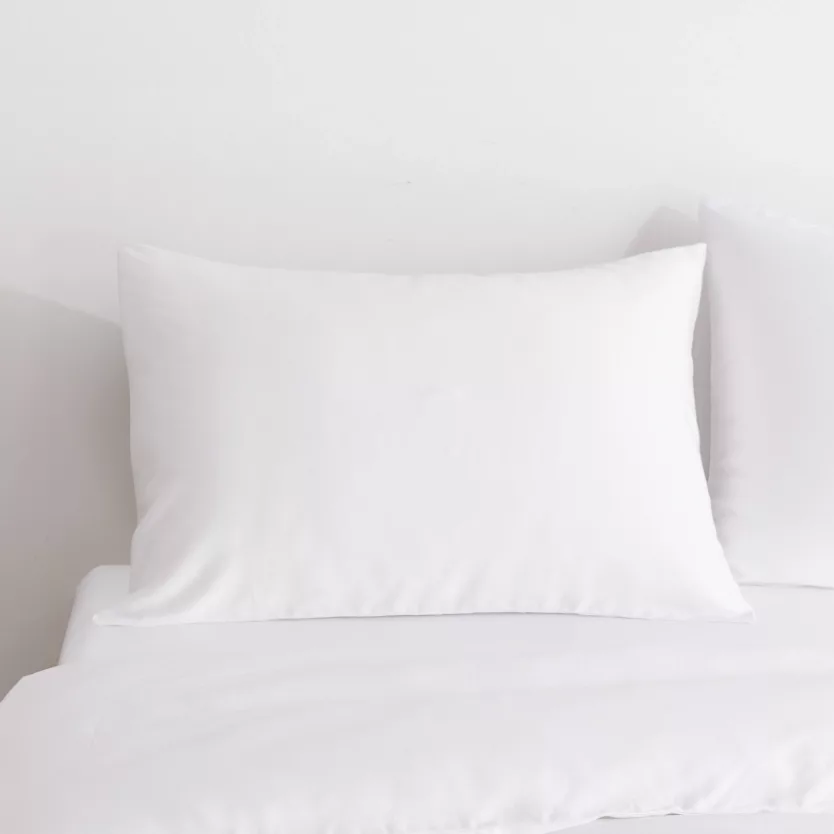
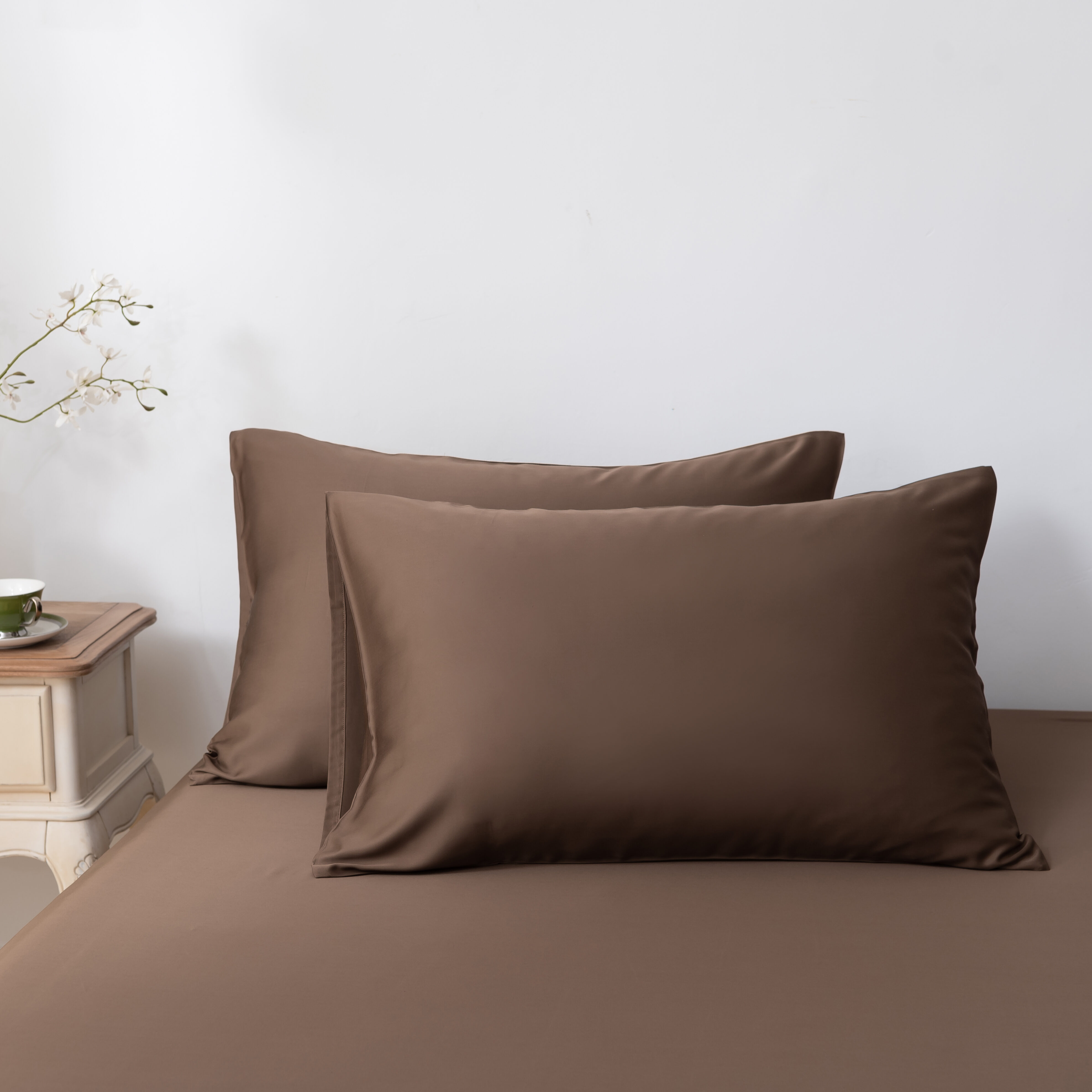
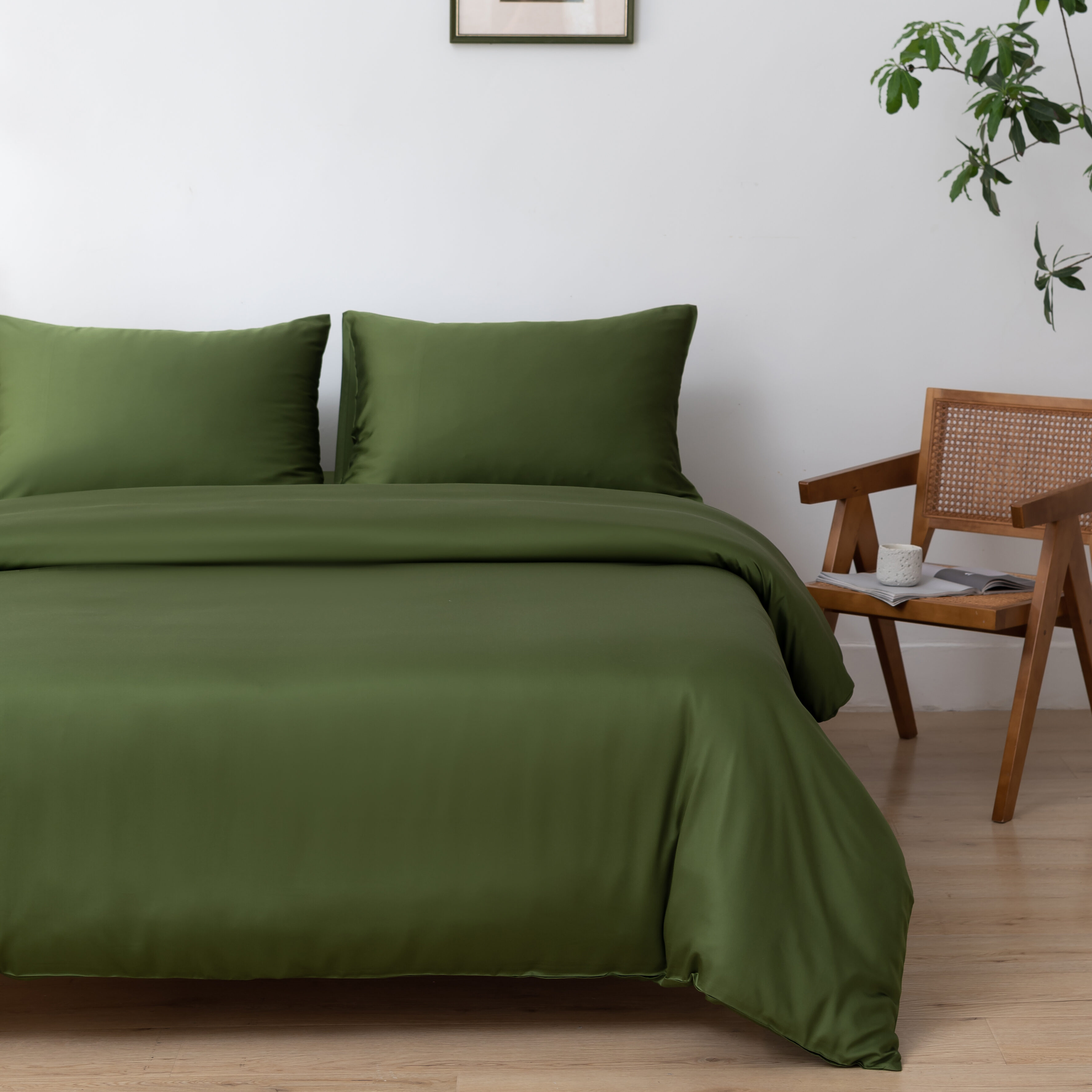
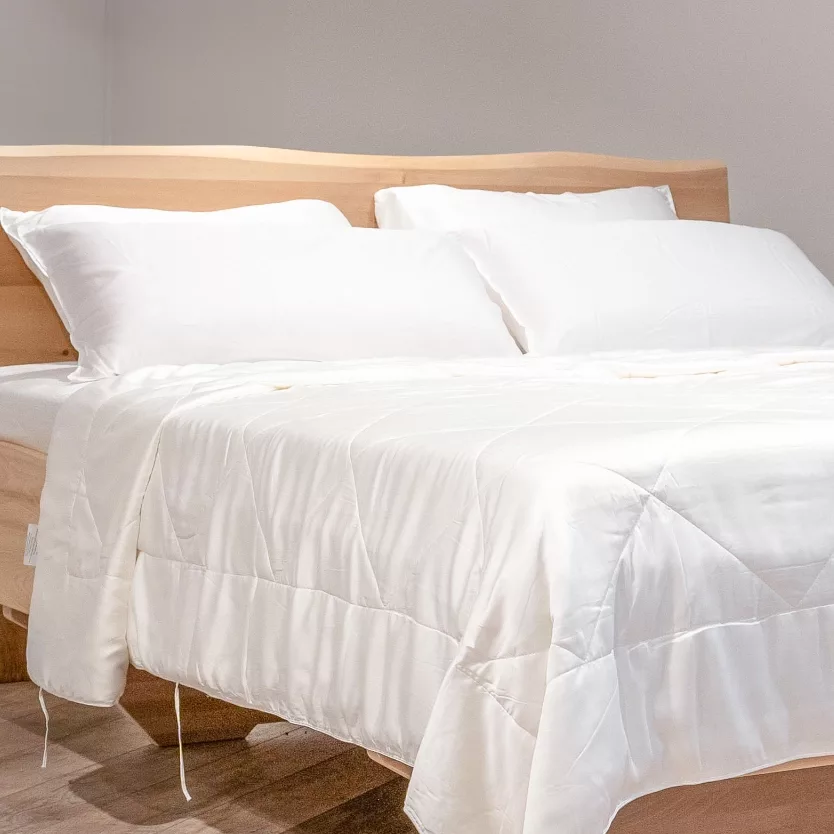
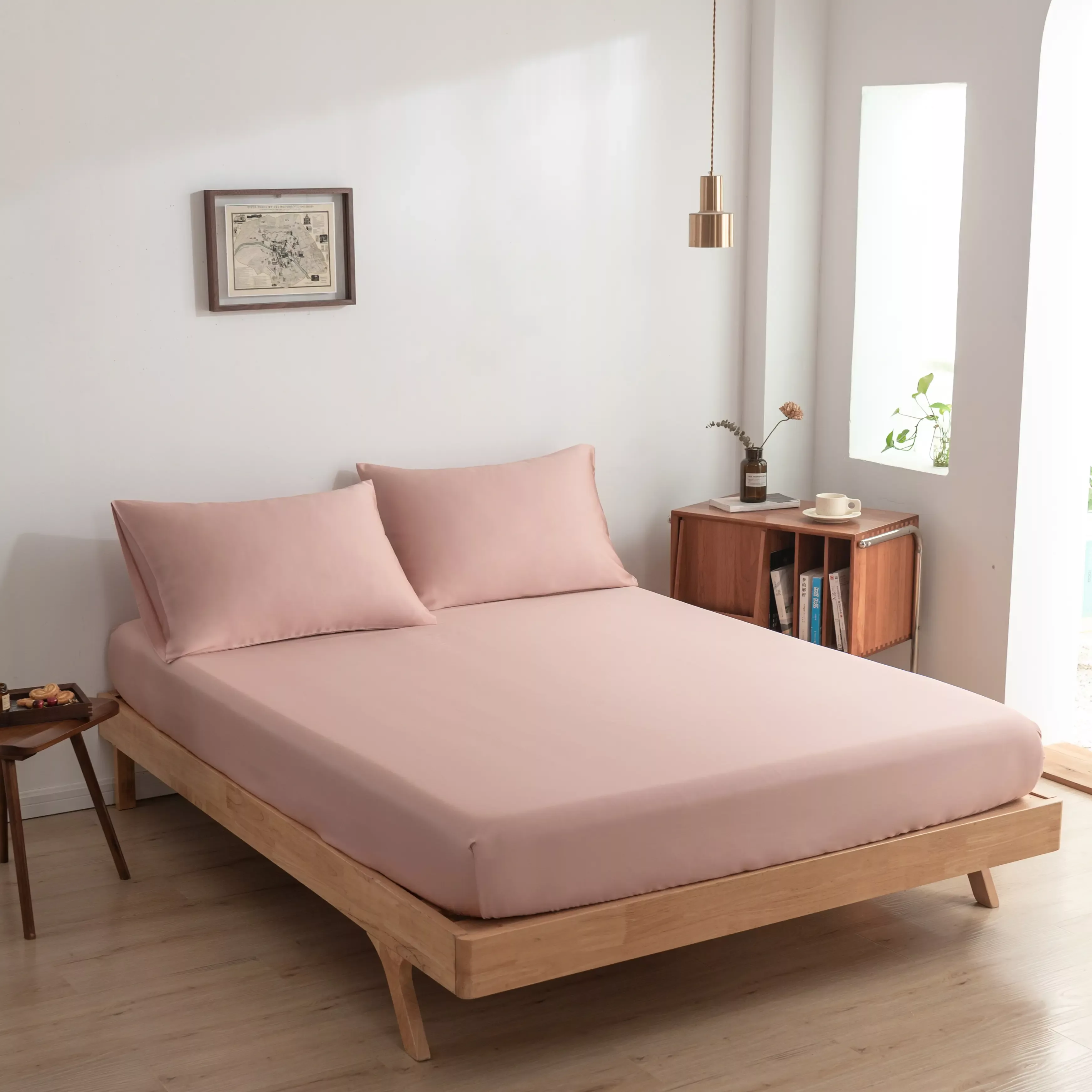
- Refreshing Bedding: Certain materials are ideal for warm summer nights. Cotton and bamboo are light and have high absorbency, making the bed less humid, and you fall asleep faster. Bamboo is also pleasantly soft and promotes ventilation while regulating heat and humidity. Moreover, bamboo bedding lasts a long time and is a sustainable choice. Don't forget to consider a summer duvet! This can make sleeping during a heatwave much more comfortable.
- Let It Breeze: Try to open two windows opposite each other if possible. Opening one window already gives some fresh air, but if you open two, a fresh breeze is created. This way, you feel the fresh air even better, and it becomes cooler. But be careful, don't do this during the day if it's hotter outside than inside, as it will only make it warmer indoors.
- Spraying: Do you have a plant spray? Fill it with water and place it on your bedside table. So when you're in bed, you can spray some water on your face during a hot flash. Every little breeze now feels super refreshing. It's extra nice to turn on the fan or air conditioner, of course. Perfect! A tip: Place the fan in front of your window. This way, it draws in the cool air from outside and spreads it through your bedroom.
- Cooling Down: Before going to sleep, immerse your feet in a basin of ice-cold water. It cools not only your feet and ankles but your entire body! It may feel a bit strange at first, but it works really well to cool down. If you still want to sleep under a duvet despite the heat, you're not alone. If you're used to the light pressure of a blanket, it can be difficult to sleep without it. Let your feet hang outside the blankets so that heat can escape through your feet. You'll notice that this makes you feel less warm.
- Sleep in Bamboo Pajamas: Many people think that sleeping with as little clothing as possible is better for hot nights. You'd be better off wearing loose-fitting bamboo clothing. This is an insulating and absorbent material that absorbs the released sweat, so you won't wake up too clammy. Combined with bamboo sheets, moisture is quickly drained away.
OUR CATEGORIES

ANOTHER TALE BEFORE BEDTIME